Archive | Sexual Abuse Victim Support

Supporting Victims of Abuse

Supporting Victims of Abuse

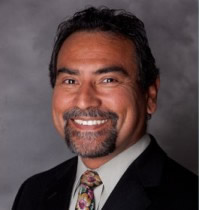
Dr. Jamie J. Romo Author of Healing The Sexually Abused Heart

Dr. Jamie J. Romo Author of Healing The Sexually Abused Heart

Guest Post by Dr. Jamie J. Romo Author of  “Healing The Sexually Abused Heart”

While there may not be the perfect, right thing to say to someone who shares that they have been sexually abused as a child, there are some wrong things to say. Things like, ‘just get over it’ or ‘forgive and forget’ or ‘I know how you feel.’

For people who wish to be supportive and part of the solution, recognize that survivors who come forward after many years of burying or denying or being disconnected from their abuse experience mostly want to: be heard, be believed; be joined in some way that their experience will be useful to prevent abuse for anyone else, particularly children.

Not all survivors are in the same place, emotionally, psychologically, when it comes to sharing their experiences.

For a person to come forward in a state of victimhood, the person may be feeling despair (e.g., fear, grief, unworthiness, guilt, insecurity), or rage (e.g., jealousy, hatred, revenge, anger). The person may be re-living the memories, and at this point what might be most helpful might be to mirror: listen and repeat key aspects of what the person has shared to make sure that you understand what the person is saying, rather than getting more details or commenting on what the person says. You have the honor of being trusted with this powerful information. Offer an empathetic statement like, ‘I appreciate you sharing this with me; I imagine it must be very difficult for you to talk about this—using their reactions/ what they have shared/ what you have seen/ heard.

Another person sharing their experiences may be speaking from a different place in their recovery—as a survivor.

They may communicate blame, worry, doubt, disappointment, overwhelm, impatience, irritation, frustration or rage. For these people, it may be helpful to recognize their emotional distress and acknowledge that things sound difficult, that their lives have been seriously impacted—validate what they have shared, showing in some way that their sharing matters to you, that you are not distant or unaffected or complicit.

Others may be in a different place, having done a good amount of recovery, so that they are not re-living or reporting the experiences, but re-telling in a way that shows a comparison between there and then living and living in the here and now. With these persons, you might show yourself as an ally, someone struggling with them in this work, not as an expert, but as someone in solidarity.

Listening Stages

But just as there are stages or differentiated ways of survivors sharing their abuse experiences, there are also stages or differentiated ways that listeners or would be supporters demonstrate. Some can be described as ‘cheerleaders’. They are probably the least helpful and most offensive to survivors who wish to be believed and joined in their healing work to end abuse. They might deny the experiences or defend the abuser or related group.

Others might be more like ‘oblivious bystanders,’ hearing this information that a person shares, without taking it in as significant for their own lives or make connections to their own life experiences. These people are not directly abusive, but incompetent and may add frustration to the person who shares. Others may be more like guilty bystanders. This is what I meant earlier by struggling with the information, sharing what this person’s sharing means to them, with the conviction that it will lead to action in some way, at a personal or organizational or institutional level.

Finally, others may be more competent and have more experience in processing their own life experiences and are in a place where they can support the person sharing in whatever stage they are in. These people are allies. They manage their own feelings and are empathic listeners. They meet the person where s/he with a non-anxious presence, holding the feelings and story of the other without projecting feelings or reactions back onto the speaker. Wherever you are in this journey, I invite you to continue to learn so that you can be part of the solution to promote healing and end abuse.

Written by sexual abuse survivors themselves, this workbook offers you insight and resources that can lead to your recovery and healing.

To learn more about the healing and helping process, read,

“Healing the Sexually Abused Heart: A Workbook for Survivors, Thrivers, and Supporters.”
If you are a survivor of sexual abuse, this workbook is your key to a new life. Written by survivors themselves, it offers you insight and resources that can lead to your recovery and healing.

If you seek to support the life-long journey of survivors, you will find the workbook will help you to build the foundation to truly make a difference.
Learn more about and to purchase the workbook  for helping to support survivors of abuse please visit: A Workbook for Survivors, Thrivers and Supporters
Learn More About Author

Dr. Jamie Romo
Educator, consultant, and author. Dr. Romo promotes healing from abuse and the prevention of child sexual abuse, particularly abuse by religious authorities or in the context of religious settings.

Learn more about Dr. Jaime Romo


Posted in Sexual Abuse Victim Support0 Comments

How Do I Talk To My Child About That?

How Do I Talk To My Child About That?

Author of My Body Belongs To Me,  Jill Starishevsky shares her story on how the book came to be.

When I became pregnant with my first, I did my best to be a prepared mom.  I read a variety of subjects – vaccines, breastfeeding, choking hazards and back to sleep, among others.  As my little girl has grown, I have continued to educate myself about age appropriate subject matter.

Sadly, I hit a brick wall on the subject of prevention of child sexual abuse.  Despite my search, I found no age appropriate books to read my little one or materials on how to handle this subject with her.  I had no idea when to talk to her or what to say to keep her safe from sexual predators.

As a sex crimes prosecutor in New York City with over a decade of experience, this shocked me.  For I know all too well the sad facts.  Despite the fact that no parent believes their child is going to be victimized, statistics show that one in three girls and one in seven boys will be sexually abused at some point in their childhood.  Worse yet, without being taught that his or her body has boundaries, a child may be too young to understand that the abuse is wrong, and thus it continues and often escalates. Continue Reading

Posted in Sexual Abuse Victim Support1 Comment

Tips To Help You Keep Your Kids Safe From Predators

Tips To Help You Keep Your Kids Safe From Predators


My Body Belongs To Me

Guest Post: Author & NY Prosecutor Jill Starishevsky

bodybelongsbookKeeping your children safe from child predators sounds like a scary proposition, but it doesn’t have to be.  We used to teach children about “stranger danger”, but studies have shown that most sexual abuse occurs at the hands of someone known to the child.  He might seem like the friendliest teacher, neighbor, uncle or coach.  Unfortunately, this person, who is always showing an interest in your child and working to develop trust, can sometimes be a child predator.   The way to prevent child sexual abuse is to educate children about their bodies and encourage them to inform a trusted adult if someone touches them inappropriately.

Just as we teach children about the dangers associated with crossing the street or going near a hot oven, we must talk to them about how to keep their bodies safe.   As a prosecutor of child abuse and sex crimes in New York City, I am all too aware of the importance of having this discussion with children at a young age.  To that end, I have written a children’s book called My Body Belongs to Me to help facilitate this dialog. Continue Reading

Posted in Sexual Abuse Victim Support0 Comments

How to help child and adult survivors of abuse

How to help child and adult survivors of abuse

Therapist and Author Kara T. Tamanini, M.S., LMHC

Therapist and Author Kara T. Tamanini, M.S., LMHC

Childhood abuse can consist of many different forms of abuse, whether it is emotional, physical, sexual, neglect, or witnessing abuse in the home.  Adults who have had similar experiences as a child are often referred to as adult survivors of childhood abuse.  Whether it is a child or an adult survivor of abuse, both of them learn very quickly on how to protect themselves by using defense mechanisms.  Some common defense mechanisms that are used by children and adults alike are: denial, withdrawal, acting out, blaming oneself, and completely turning off their feelings.

Being able to survive the effects of child abuse, whether you are an adult or a child simply takes time.  Being able to get help from a professional counselor is very important.  People can and do recover from abuse.  The recovery process whether it is a child or an adult usually follows these steps: denial, acceptance, anger over what occurred, and finally a resolution.  There is no timeline on how long this process takes.  Sometimes, it can take months and sometimes this process will take years.  In order for children and adults to finally recover from abuse, they must stop blaming themselves and put all the responsibility of what happened on the perpetrator.

How does one recover from abuse?

Simply stated, nobody can actually do this without a little help.  Close friendships are often very helpful but rarely is this enough to recover from abuse.  Professional help is by far the most effective way to overcome the after effects of abuse.  Make sure counseling is with a therapist you trust and feel comfortable speaking with.

What can family and friends do to help?

  1. Give them time to heal.  Do not crowd them and ask them over and over how they are doing.  This makes people nervous.Be supportive of their feelings.
  2. Give them time to vent, even if they are screaming and yelling and crying.  Children and adults need to discuss what happened to them.
  3. Convey to the abuse survivor that you are there for them no matter what.
  4. Encourage them to seek out professional help if they have not already done so.
  5. Love the abuse survivor unconditionally and without reservation.  Tell them that you love them “no matter what.”

 Courage of a small girl who told about the abuse Book by author Kara T. Tamanini
Remember, all painful experiences take time to heal and eventually recover.  Be patient with the process and remember to love yourself and others.

Article by

Kara T. Tamanini, M.S., LMHC
Therapist and Author
Founder of Kids Awareness Series

www.KidsAwarenessSeries.com

Posted in Featured, Sexual Abuse Victim Support0 Comments

Psychological Treatment Of Abused Children

Psychological Treatment Of Abused Children

Therapist and Author Kara T. Tamanini, M.S., LMHC

Therapist and Author Kara T. Tamanini, M.S., LMHC

Guest Author Article by Kara T. Tamanini, M.S., LMHC

Child Abuse or domestic violence can happen to anyone, no matter what age, sex, race, or religious orientation.  Whether the child is witnessing domestic violence in the home or being abused, the effects of either are very traumatic for children.  It often causes significant emotional, physical, and learning problems. Each child reacts very differently to the events and a good evaluation is crucial to determine how the child interprets violence witnessed in the home or being abused.  Either way, abuse has long-lasting repercussions.

A number of factors affect how a child perceives abuse.

First and foremost, is the extent of the violence or abuse and the duration that it occurred or was witnessed by a child. Also of importance is whether the child was abused or a witness to violence by his/herself or if the abuse was shared by his/her sibling/s. If the child has witnessed violence in the home of family members or significant others in addition to being abused, this will increase their negative feelings.

Parental or family support is of absolute importance in the recovery process. If the child’s family is supportive and reassuring and presents therapy in a positive way, the child will be less scared and more apt to want to participate in the therapy process. For children, the therapeutic process is usually very intimidating and the first several sessions of therapy with an abused child are simply trying to get the child to talk and feel comfortable with the therapist.  Games are usually played in the first couple of sessions and the initial goal is to make the child less anxious and establish trust and rapport with the therapist.

Working with children in therapy, the therapist will have several goals for the overall treatment process.

  1. The therapist will convey that the child is NOT to blame for what happened to them, no matter what they have been told by the perpetrator of the abuse.
  2. Let the child know that they are the SAME person and they are not “unclean” or “dirty” in any way. This is very common in children who have been sexually abused.
  3. Encourage talking about the abuse or violence they witnessed and work through their feelings of anger, depression, guilt, and any acting out behaviors that they are exhibiting. Once the feelings are out in the open, the healing process can begin.  Feelings are discussed with a child in their language and the therapist conveys to the child that “we believe what they are saying.”
  4. Letting them know that they are a “good person” and they are not alone in their feelings. There is nothing worse than feeling that you are the only one dealing with a problem.
  5. Teaching the child about what abuse is and talking about prevention of abuse in the future. Therapy works through that “victim for life” mentality.
  6. Lastly, teaching them coping mechanisms for the future. In other words, teaching the child how to deal with symptoms of PTSD. Often seen in children who have been abused are nightmares, bedwetting, social withdrawal, avoidance, and constant thoughts of the abuse.

Domestic violence and abuse are used for only one purpose in any relationship and that is to gain control over a person.  Unfortunately, abusers use fear, guilt, and intimidation in order to keep a child under their control. Working through these feelings of guilt, shame, fear, and anger in therapy is of uttermost importance. Group sessions with children that have had similar experiences is often very helpful for children.

The therapy process will not “change” a child, rather it helps them heal and validate their feelings in order to give them hope for their future.

Article by

 Courage of a small girl who told about the abuse Book by author Kara T. Tamanini

A Story of Courage

Kara T. Tamanini, M.S., LMHC
Therapist and Author
Founder of Kids Awareness Series
www.KidsAwarenessSeries.com

Betti & Franks would like to thank
Kara for guesting on our site.
We recommend that you check out her
book “I promised not to tell” available at
Amazon. (click the book it will take you right there)

Child Abuse or domestic violence can happen to anyone, no matter what age, sex, race, or religious orientation. Whether the child is witnessing domestic violence in the home or being abused, the effects of either are very traumatic for children. It often causes significant emotional, physical, and learning problems. Each child reacts very differently to the events and a good evaluation is crucial to determine how the child interprets violence witnessed in the home or being abused. Either way, abuse has long-lasting repercussions.

A number of factors affect how a child perceives abuse. First and foremost, is the extent of the violence or abuse and the duration that it occurred or was witnessed by a child. Also of importance is whether the child was abused or a witness to violence by his/herself or if the abuse was shared by his/her sibling/s. If the child has witnessed violence in the home of family members or significant others in addition to being abused, this will increase their negative feelings.

Parental or family support is of absolute importance in the recovery process. If the child’s family is supportive and reassuring and presents therapy in a positive way, the child will be less scared and more apt to want to participate in the therapy process. For children, the therapeutic process is usually very intimidating and the first several sessions of therapy with an abused child are simply trying to get the child to talk and feel comfortable with the therapist. Games are usually played in the first couple of sessions and the initial goal is to make the child less anxious and establish trust and rapport with the therapist.

Working with children in therapy, the therapist will have several goals for the overall treatment process.

1.) The therapist will convey that the child is NOT to blame for what happened to them, no matter what they have been told by the perpetrator of the abuse.

2.) Let the child know that they are the SAME person and they are not “unclean” or “dirty” in any way. This is very common in children who have been sexually abused.

3.) Encourage talking about the abuse or violence they witnessed and work through their feelings of anger, depression, guilt, and any acting out behaviors that they are exhibiting. Once the feelings are out in the open, the healing process can begin. Feelings are discussed with a child in their language and the therapist conveys to the child that “we believe what they are saying.”

4.) Letting them know that they are a “good person” and they are not alone in their feelings. There is nothing worse than feeling that you are the only one dealing with a problem.

5.) Teaching the child about what abuse is and talking about prevention of abuse in the future. Therapy works through that “victim for life” mentality.

6.) Lastly, teaching them coping mechanisms for the future. In other words, teaching the child how to deal with symptoms of PTSD. Often seen in children who have been abused are nightmares, bedwetting, social withdrawal, avoidance, and constant thoughts of the abuse.

Domestic violence and abuse are used for only one purpose in any relationship and that is to gain control over a person. Unfortunately, abusers use fear, guilt, and intimidation in order to keep a child under their control. Working through these feelings of guilt, shame, fear, and anger in therapy is of uttermost importance. Group sessions with children that have had similar experiences is often very helpful for children. The therapy process will not “change” a child, rather it helps them heal and validate their feelings in order to give them hope for their future.

Posted in Sexual Abuse Victim Support0 Comments

How to Stay Healthy During a Protracted Lawsuit Involving Your Childhood Sexual Abuse

How to Stay Healthy During a Protracted Lawsuit Involving Your Childhood Sexual Abuse

How to Stay Healthy During a Long Legal Fight Against a Corporate Entity Who Protected the Pedophile Who Abused You as a Child.By MICHELE BETTI  | b&f opinions April 13, 2009

While New York State Lawmakers are considering assembly bills that may provide you an opportunity to pursue claims for childhood sexual abuse against the pedophile and entity who employed him/her, you may be asking yourself: a) how long will a lawsuit of this nature take? b) is it worth it? c) can I make it through such a thing? Continue Reading

Posted in Sexual Abuse Victim Support1 Comment

10 Things You Should Know Before You File A Civil Sex Abuse Case.

10 Things You Should Know Before You File A Civil Sex Abuse Case.

By MICHELE BETTI of BETTI AND ASSOCIATES | b&a opinions April 13, 2009

There are 10 things that the Survivors Network of those Abused by Priests (SNAP) tells us to be aware of:

  1. Acknowledge your courage. It takes courage to acknowledge you’ve been abused.
  2. Know that you are not alone. There are many more survivors of abuse by priests, and other clergy members, than any of us wants to believe. Continue Reading

Posted in Featured, Sexual Abuse Victim Support1 Comment


Contact Betti & Associates Law

Betti & Associates

michele betti lawyer for children of sex abuse

Betti & Franks Child Sexual Abuse Attorney Twitter

My Tweets

  • John Katubi, survivor of clergy child sexual abuse, outs predator priest 01/13/10 07:30am
  • Sorry been busy with case load, Survivors first here, Stay tuned I'll be uploading video & photos from advocate trip to PA . 01/13/10 04:18am
  • Facebook